October 6, 2026
Beyond the Countertop Makers: Why More Companies Are Being Named in Silicosis Lawsuits
Concerns about silica dust exposure in the engineered-stone industry have grown as more countertop fabricators and other workers have developed silicosis and other serious health problems. The attention has focused in large part on engineered or artificial stone, which can contain very high concentrations of crystalline silica as well as other hazardous substances such as volatile organic compounds (VOCs), metals, and plastics and can release respirable dust when it is cut, ground, polished or otherwise fabricated.
Early lawsuits largely focused on the companies that manufacture engineered stone countertops and related products. More recent cases, however, have named a broader range of companies, including retailers, distributors and manufacturers of respiratory-protection equipment. Reports have identified companies such as Home Depot, Lowe’s and Ikea among defendants in some cases. The allegations vary from case to case, and being named as a defendant does not establish that a company is legally responsible for a worker’s illness.

Why Are Other Companies Being Named in Silicosis Lawsuits?
The legal questions surrounding silica exposure can extend beyond the company that manufactured the countertop material. Workers and their attorneys may examine the roles different companies played in making the products available, providing information about their hazards or supplying equipment intended to protect workers from exposure.
Some lawsuits allege that companies failed to provide adequate warnings about the dangers of respirable silica generated during fabrication. The specific allegations depend on the facts of each case. They can include questions about product warnings, the design or safety of a product, the information provided to workers and whether manufacturers or suppliers knew or should have known about potential hazards.
Types of Defendants Named in Recent Lawsuits
Stone Manufacturers
Examples: Caesarstone, Cambria, Cosentino (Silestone)
General Allegations: Claims that manufacturers failed to adequately warn about silica dust risks associated with engineered stone products.
Distributors and Retailers
Examples: Home Depot, Lowe’s, IKEA
General Allegations: Claims involving the sale of engineered stone products without adequate warnings regarding potential silica dust exposure.
How Does Engineered Stone Expose Workers to Silica Dust?
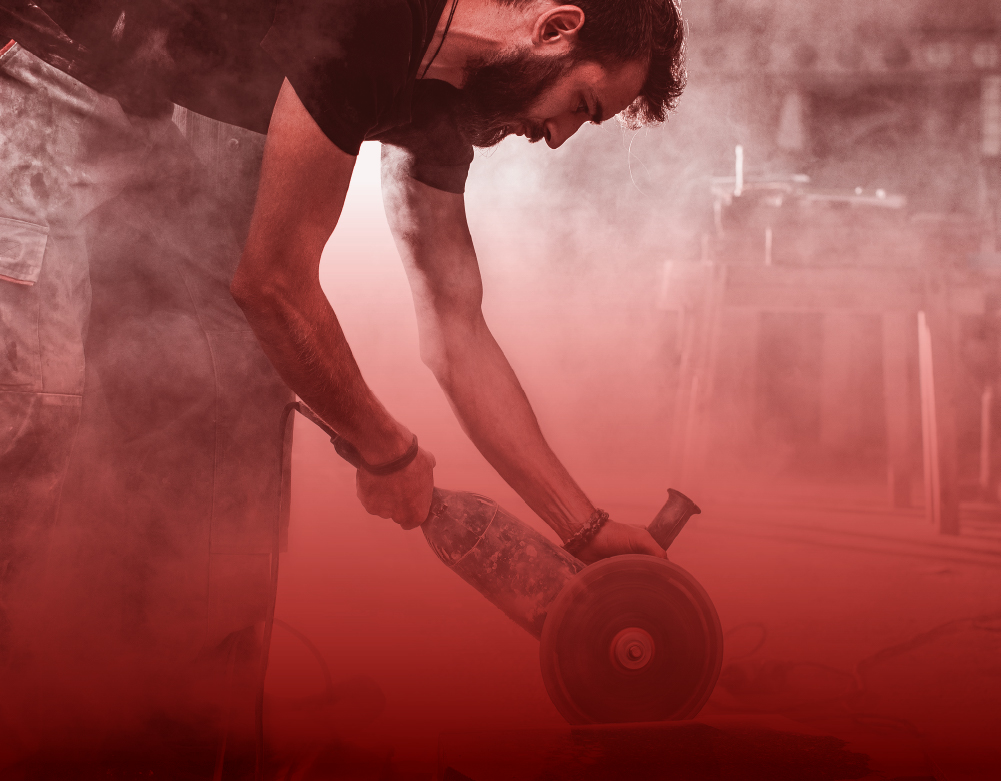
The concern with engineered stone is primarily an occupational one. A finished countertop in a home does not ordinarily create the same exposure as the fabrication process. The greatest risk occurs when workers cut, laminate, grind, polish, drill or otherwise shape the material. Those activities can generate respirable crystalline silica dust that can become airborne and be inhaled deep into the lungs.
Engineered stone contains substantially more crystalline silica than many types of natural stone. As a result, workers who regularly fabricate these products can face significant exposure. Repeated exposure can cause permanent lung damage and can lead to silicosis, a serious and potentially disabling disease.
Does Caesarstone Cause Silicosis?
Caesarstone is one of several engineered-stone manufacturers whose products have been identified in silica-related litigation. Lawsuits involving Caesarstone and other manufacturers have included allegations concerning the silica content of engineered stone, warnings about the hazards of fabrication and the risks faced by workers who cut and process the material.
Determining whether a product contributed to a case of silicosis can require examining the worker’s job history, the products used, the nature and duration of the exposure and other potential sources of silica.
Does Granite Cause Silicosis?
People also ask, does granite cause silicosis?
Engineered stone generally contains much higher levels of crystalline silica than natural stone, which has contributed to growing concern about exposures during fabrication and an increase in silicosis among younger workers.
What Does This Mean for Workers With Silicosis?
The expanding number of defendants in silica-related lawsuits reflects the different companies and products that can be involved in a worker’s exposure. But the legal issues are highly fact-specific. A worker’s potential claims may depend on the materials used, the companies involved, the warnings provided, and the circumstances of the exposure.
For someone diagnosed with silicosis, documenting that history can be important. Records from job sites, the types and brands of stone handled, the tasks performed and the safety equipment used may help establish how and where the exposure occurred.
Workers who have developed silicosis after fabricating engineered stone or other silica-containing materials may want to learn more about the potential sources of their exposure and the legal claims that may be available to them.
Frequently Asked Questions
What is an engineered stone silicosis lawsuit?
An engineered stone silicosis lawsuit is a legal claim filed by individuals who allege they developed silicosis after exposure to respirable crystalline silica while working with engineered stone products.
Why are retailers being named in recent lawsuits?
Some recent lawsuits allege that retailers continued selling engineered stone products without providing adequate warnings about silica dust risks.