Silica Content by Material
Not all stone and building materials carry the same risk. The amount of crystalline silica varies significantly by material, according to the CDC.
| Material | Silica Content |
|---|---|
| Quartzite | ≥95% |
| Quartzitic sandstone | ≥90% |
| Sandstone | ≥60% |
| Slate | 20% to 40% |
| Granite | 10% to 50% |
| Marble/Limestone | Under 5% |
| Engineered stone | <0.2% to 95%* |
*In addition to silica content, artificial stone also includes other hazardous substances like heavy metals, VOCs and plastic resins.
Why Exposure is Getting Worse
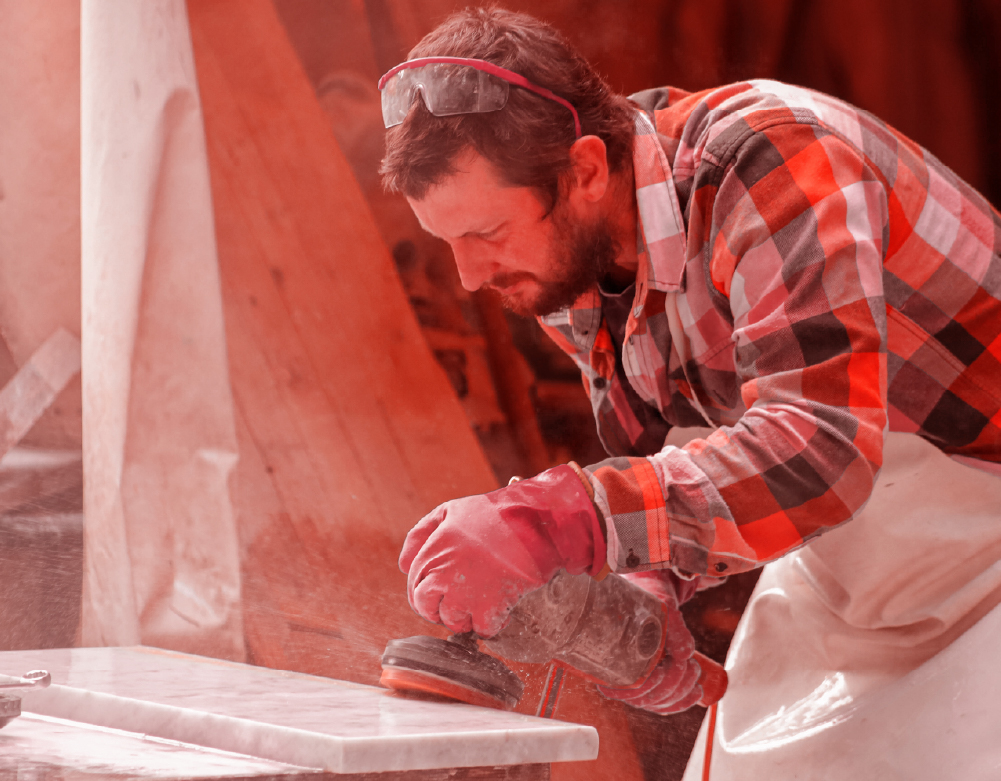
The manufacturing of engineered stone, popular in modern kitchens, has driven a sharp rise in silicosis cases. It contains far more silica than the natural stone it often replaces, and demand for it has grown rapidly over the past two decades. That growth means more workers are cutting, grinding and polishing a material with a much higher silica content and more dust produced than granite or marble.
Silicosis Causes
Artificial Stone & Quartz Countertop Silicosis
Engineered stone, often sold as quartz or artificial stone, is manufactured by combining crushed quartz with resin, creating a product that can contain more silica than almost any natural stone used in countertops.
Construction & Manufacturing & Silicosis
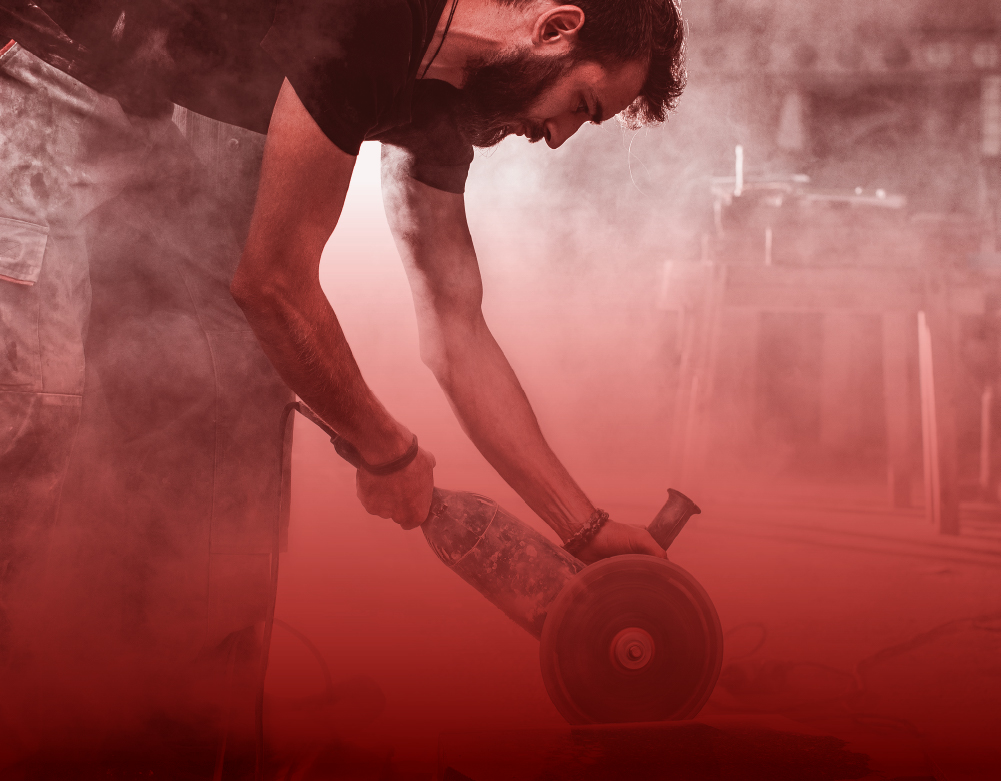
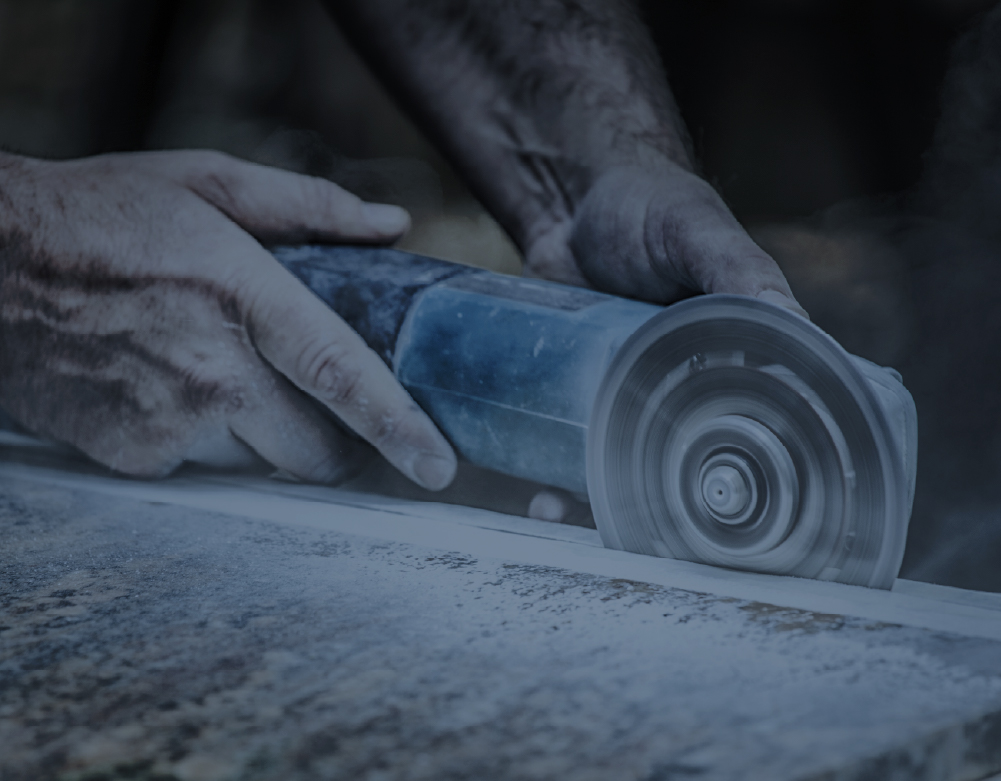
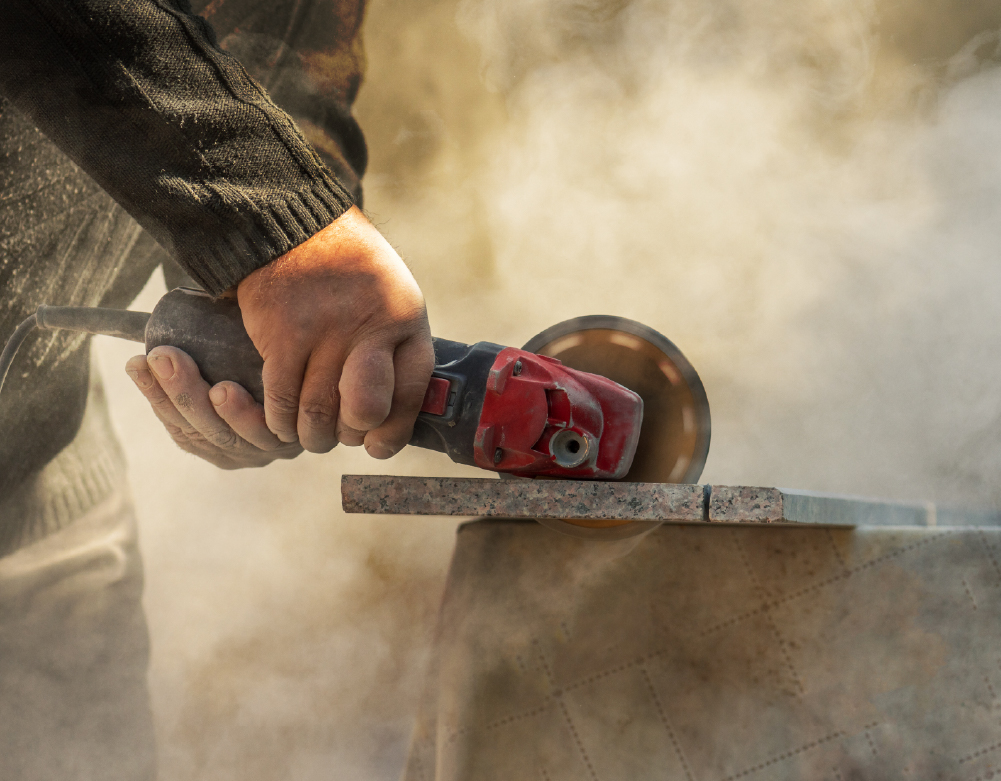
Cutting, sawing, grinding and drilling materials like concrete, brick, block and mortar all release silica dust, according to OSHA. Manufacturing carries similar risks, particularly where stone countertops, brick, ceramics or concrete products are made.
Mining Silicosis
Silica dust released through cutting, drilling, excavating and crushing in coal, metal and nonmetal mining, according to the Mine Safety and Health Administration. MSHA issued a new rule in 2024 specifically aimed at lowering miners’ exposure to silica dust and improving respiratory protection to prevent mining silicosis.
Sandblasting Lung Disease
Sandblasting, or abrasive blasting, has been recognized as one of the most dangerous silica exposures for decades. In one review, the National Institute for Occupational Safety and Health documented 99 cases of sandblasting silicosis among sandblasters, 14 of whom had already died from the disease.
Oil & Gas
Hydraulic fracturing, or fracking, uses large amounts of sand to hold open the fractures that release oil and gas underground. Handling and moving that sand exposes workers to silica dust, and NIOSH field studies found a large share of air samples at fracking sites exceeded federal exposure limits.
Preventing Silicosis Through OSHA & Workplace Safety
OSHA and MSHA both set legal limits on how much silica dust workers can be exposed to. OSHA’s limit is 50 micrograms per cubic meter of air over an 8 hour shift. OSHA requires employers to use controls like water and ventilation to keep dust levels down. Research has found these measures don’t always bring exposure down far enough on their own when it comes to materials like engineered stone.
Diagnosis of Silicosis
Knowing what caused an exposure is only part of the picture. Diagnosing silicosis also requires imaging and ruling out other conditions.