Living with Silicosis

Managing Daily Life & What to Expect

A silicosis diagnosis changes daily life. Understanding what to expect, and where to find support, can make it more manageable.

46 is the median age at diagnosis of silicosis for California engineered stone workers

in a study published by NEJM Evidence.

Living with Silicosis

Managing silicosis symptoms day to day starts with stopping further silica exposure, according to the American Lung Association. Avoiding other lung irritants like smoke and air pollution, staying active without overdoing it, keeping vaccinations current and watching closely for infections like tuberculosis are also part of managing the disease long term. Because silicosis is progressive, having a plan for flare ups, meaning new or worsening symptoms, matters just as much as day to day management.

Living with Silicosis at a Glance

  • Stopping silica exposure is the first step
  • Avoiding smoke and other lung irritants helps
  • Staying active, without overexertion, is encouraged
  • Watching for infections like tuberculosis matters
  • Having a flare up plan is part of managing it

Talk to Someone Today.

Ask questions and get pointed to the right resources. Free and confidential.
866-506-8075

Explore Your Options

Silicosis Prognosis

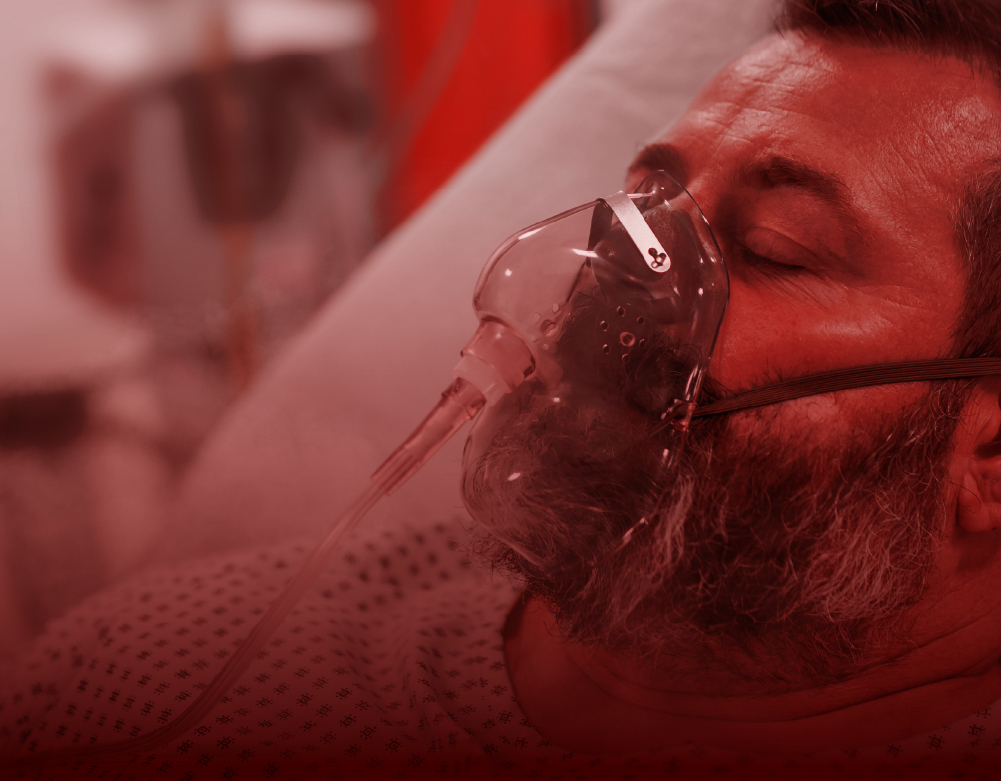
There’s no single answer to what living with silicosis looks like long term. A patient’s outlook depends on how much silica they were exposed to, for how long, whether exposure is still happening, their age and their overall health, according to the American Lung Association. In more advanced cases, some patients are referred for a lung transplant. Others live for many years managing symptoms with medication, oxygen therapy or pulmonary rehabilitation.

Silicosis Treatment

There is no cure for silicosis, but treatment can slow its progression and ease symptoms. Treatment options range from medication and oxygen therapy to pulmonary rehabilitation and lung transplants, depending on how advanced the disease is.

Patient Resources

Support groups, financial assistance and community resources can help make living with silicosis easier to manage.

Connecting with others who understand the disease can also make a real difference alongside medical care.

FAQs About Silicosis

Can silicosis get better over time?

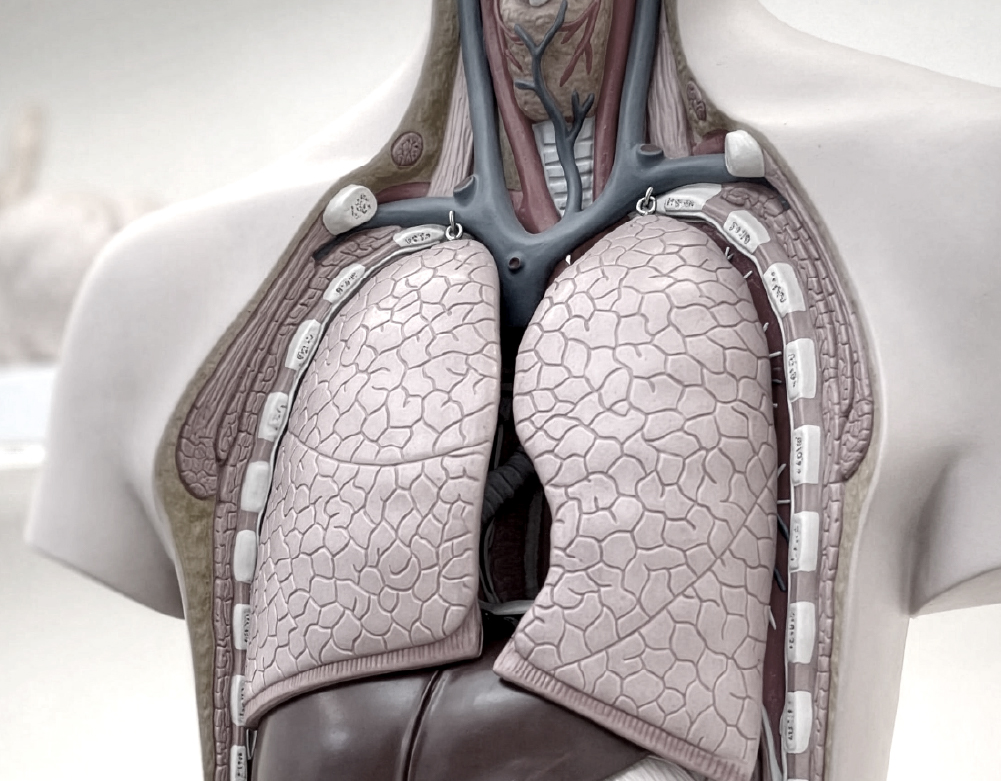
Silicosis is progressive, and the lung damage it causes can’t be reversed once it happens. Treatment can slow how quickly it worsens, but it can’t undo damage that’s already occurred.

Can silicosis patients still exercise?
When does silicosis require a lung transplant?
How do I know if my silicosis is getting worse?
Do I need to change jobs if I have silicosis?

Not Sure Where to Start? We're Here to Help.

Whether you’re concerned about silica exposure, navigating a diagnosis, or exploring your legal options, we’ll help you take the next step.