What is Silicosis?

Signs, Causes & Help

If your job involves cutting, grinding or polishing stone, your breathing is something most people never think about. Knowing what silicosis is protects you and your family.

10X increase in silicosis cases

among stone workers since 2019 in California, according to the California Department of Public Health.

What is Silicosis?

Breathing in fine crystalline silica dust causes silicosis, a lung disease that scars the lungs permanently, according to the American Lung Association. The scarring never heals, and there is no cure. It is permanent and progressive, only getting worse as time goes on. People who cut, grind or polish artificial stone countertops face a high risk. And the CDC has found that the disease can take hold after only a few weeks to years on the job.

Silicosis at a Glance

  • Caused by breathing in fine crystalline silica dust, per the CDC
  • Causes permanent scarring in the lungs, with no cure, per the CDC
  • Can take months to decades to develop, depending on the level of exposure, according to the American Lung Association
  • One of the oldest documented occupational diseases, dating back thousands of years according to this history of silicosis
  • Increasingly common among workers who cut, grind or polish artificial stone countertops, per the California Department of Public Health

Have Questions About Silicosis?

Talk to someone today. It’s free, confidential and no diagnosis is needed.
866-506-8075

Find Support

How Silicosis Develops

Cutting or polishing stone releases tiny silica particles into the air. These particles are so small that no one can see or feel them going in. The CDC explains that this dust causes inflammation and scarring in the lungs. Breathing gets harder. The damage cannot heal, and it often keeps getting worse even after the exposure stops.

Cutting or polishing stone releases silica dust.
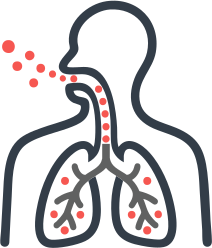
Dust enters the lungs.

The body tries to
clear the dust.

Lung tissue stiffens,
scars and breathing
gets harder.

Causes of Silicosis

Silicosis is one of the oldest known workplace illnesses. Physicians described breathing problems in miners more than two thousand years ago, and the disease got its modern name in 1870, when Italian pathologist Achille Visconti coined the term, according to a history of silicosis published in Frontiers in Public Health. But silicosis never fully disappeared, and the CDC has described it as an emerging public health threat again among young workers cutting artificial stone.

Artificial stone can consist of more than 90% silica, per the CDC, and the popularity of these countertops are driving today’s surge in cases. The dust from artificial stone is also finer and mixed with resin. Because of the high concentration of silica and the fine dust artificial stone produces, stone workers are developing severe silicosis far faster than earlier generations of stone and construction workers did.

Common Symptoms of Silicosis

Silicosis often starts quietly. Many people mistake early symptoms for aging, allergies or just being tired from a long shift. Here are some symptoms to watch for, according to the American Lung Association:

  • Shortness of breath
  • A persistent cough
  • Chest tightness
  • Fatigue and unexplained weight loss
  • Breathing difficulty that keeps getting worse

How is Silicosis Diagnosed

Diagnosing silicosis requires knowing your work history and your symptoms. Because many doctors just diagnose based on symptoms alone, silicosis is often misdiagnosed as pneumonia or tuberculosis. A chest X-ray or CT scan and a lung-function test may also be performed, according to the American Lung Association. In cases where the imaging isn’t clear enough on its own, a lung biopsy may confirm the diagnosis.

Frequently Asked Questions About Silicosis

How long does it take to develop silicosis?

It depends on how much silica dust a person breathes in and how concentrated that dust is. Chronic silicosis can take ten years or more to develop. Silicosis caused by artificial stone work moves much faster. Workers can develop acute silicosis within weeks to months if they are exposed to high amounts of silica, or accelerated silicosis in 5 years, according to the CDC.

Can silicosis be cured?
Is silicosis contagious?
How is silicosis diagnosed?
Is silicosis the same as black lung disease?
Is silicosis the same as COPD?

You Don't Have to Navigate Silicosis Alone.

Whether you’re seeking answers about a diagnosis, looking for support, or considering your legal rights, we’re here to help you understand your options. The conversation is free and confidential.