Causes of Silicosis
Silicosis is caused by breathing in fine crystalline silica dust, most often while cutting, grinding or polishing artificial stone, natural stone, concrete or similar materials. Artificial stone contains a high percentage of silica. Its popularity is connected to the recent increase in cases of silicosis in the United States.
How Silicosis Progresses
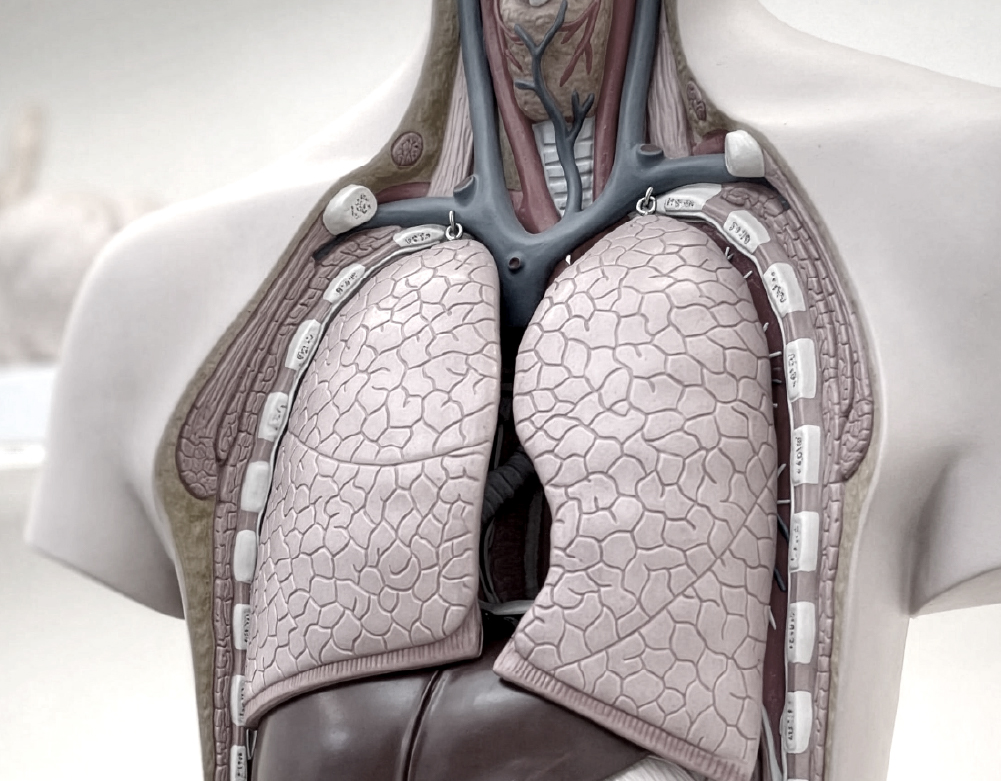
When silica dust is breathed deep into the lungs, the body sends immune cells to clear it out. Silica particles damage those immune cells instead of being cleared away, and the lungs respond with ongoing inflammation. Over time, the body builds scar tissue around the trapped particles, forming small hardened nodules. As more nodules form, the lungs become stiffer and lose their ability to expand. That’s why breathing gets harder as the disease advances, according to the CDC’s National Institute for Occupational Safety and Health. This damage can’t be undone, and it can keep progressing even after silica exposure has stopped.
Silicosis & The Immune System
The same immune cells that silica damages are the ones responsible for clearing bacteria and other infections out of the lungs. When those cells are damaged, the lungs become less able to fight off infections like tuberculosis, which is why people with silicosis face a higher risk of developing it, according to peer-reviewed research published in PMC. People who have silicosis are at higher risk for other serious illnesses, according to the American Lung Association, including:
- Tuberculosis
- Lung cancer
- Chronic obstructive pulmonary disease (COPD)
- Chronic bronchitis
- Kidney disease
- Autoimmune diseases such as scleroderma, rheumatoid arthritis or lupus
When to Seek Medical Help
If you work around silica dust, regular health checkups matter even if you feel fine, since sometimes there aren’t any early warning signs of symptoms. Call a doctor right away if you develop a cough or start having trouble breathing, according to the American Lung Association.
If you’ve already been diagnosed with silicosis and notice new or worsening symptoms, contact your health care provider right away.
When you do see a doctor, be ready to talk through your full work history, including where you worked, what materials you worked with, and what protective equipment, if any, you used. That history is often the key to an accurate diagnosis.
Diagnosis of Silicosis
Symptoms alone can’t confirm silicosis. Diagnosing it takes a combination of your work history, imaging like a chest X-ray or high-resolution CT scan, and ruling out other conditions with similar symptoms. Many people with silicosis go without a correct diagnosis for years.
Silicosis Treatment
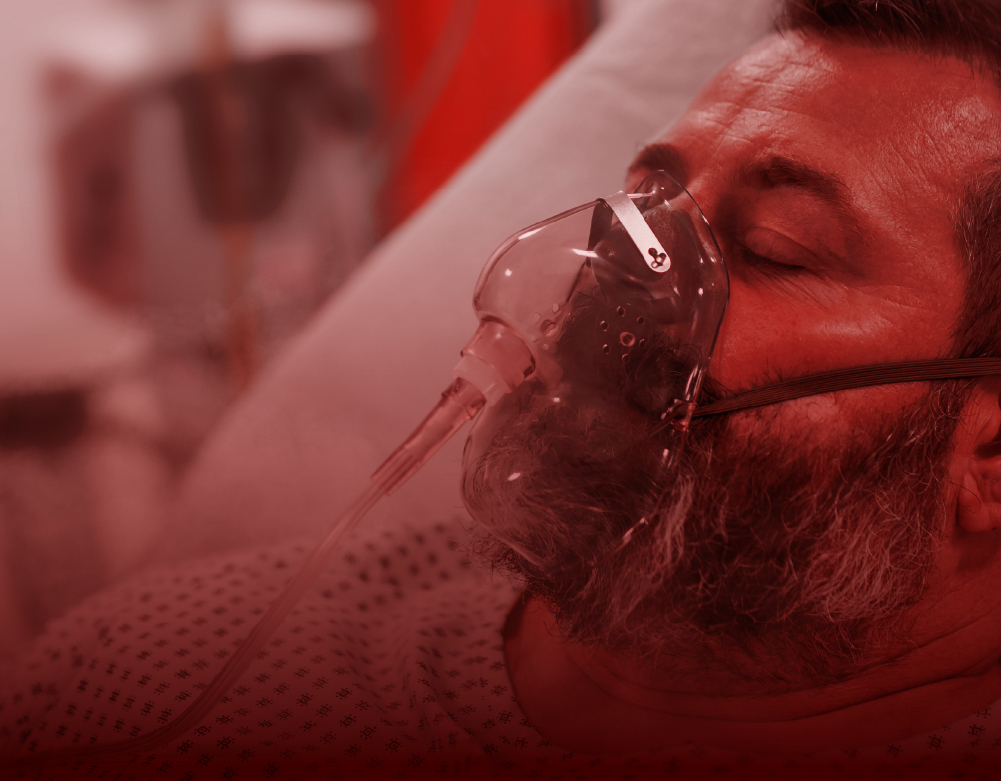
There is no cure for silicosis, but treatment can help manage symptoms and slow how the disease progresses. Options range from medication and oxygen therapy to pulmonary rehabilitation, depending on how advanced the disease is.