Medications & Symptom Management
Depending on how advanced the disease is, a doctor may prescribe:
- A bronchodilator inhaler, to help relax the airways
- Steroids, antifibrotics or biologics, which may help slow inflammation and scarring
Supplemental Oxygen Therapy
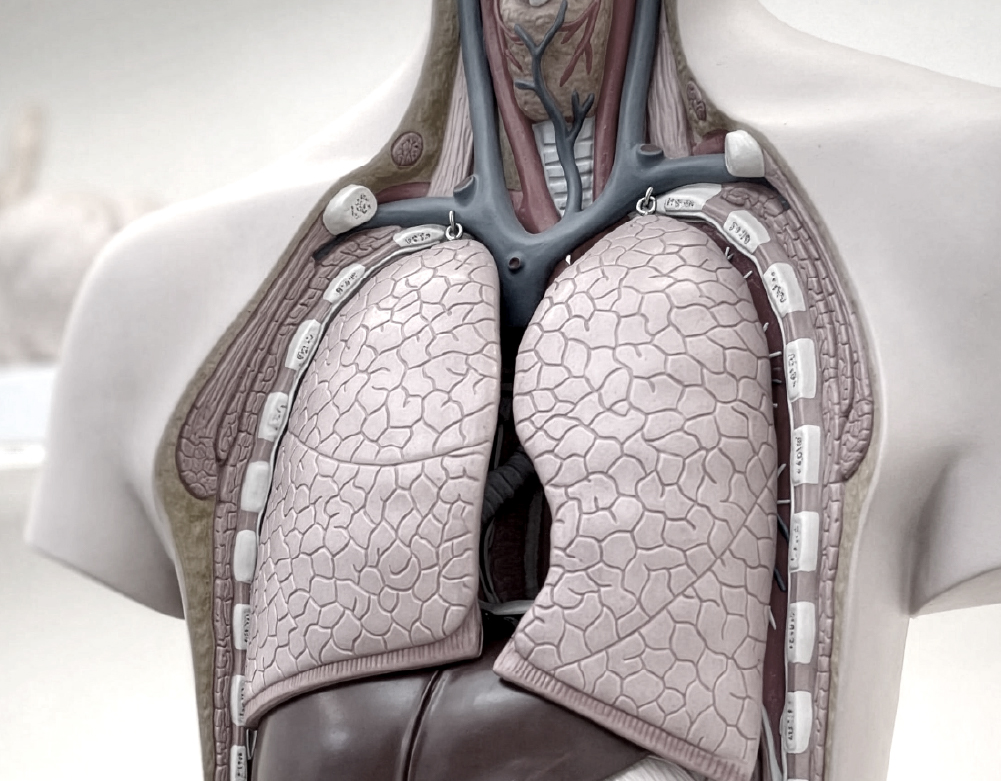
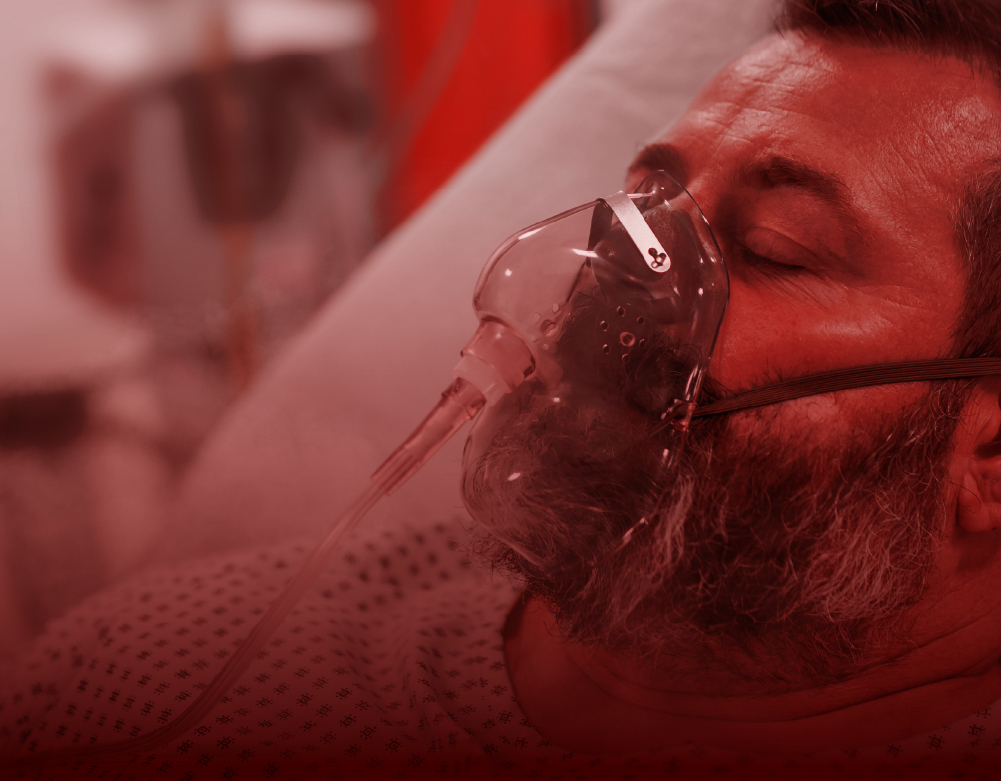
As silicosis progresses, the lungs become less able to move oxygen into the blood. Supplemental oxygen can help get more oxygenated air into the lungs, easing shortness of breath and making daily activity easier, according to the American Lung Association.
Pulmonary Rehabilitation
Pulmonary rehabilitation is a structured, supervised program for people with chronic lung disease, combining exercise training with education on breathing techniques and symptom management, according to the American Lung Association. It’s typically run by a team that includes respiratory therapists, nurses and sometimes physical therapists, usually in an outpatient clinic setting.
Lung Transplants
In severe cases, a doctor may refer a patient to a lung transplant specialist for evaluation, according to the American Lung Association. Lung transplants are more common in this population than in many other lung diseases. Of the 592 California workers diagnosed with engineered stone silicosis through June 2026, 65 had undergone one, according to a report in NEJM Evidence.